

Why Do You Need a Root Canal? Signs and Symptoms to Watch For
A sudden, sharp toothache can disrupt your entire day. Whether it is a dull ache that stays or a sharp pain when you bite down, dental discomfort often signals that something is wrong beneath the surface. Many people feel anxious when they hear they might need a root canal treatment, mostly due to old myths about pain. However, modern dentistry has turned this procedure into a routine, comfortable experience that saves your natural teeth and stops infections from spreading.
At Queens Medical Center, patients looking for root canal treatment in Dubai find a blend of advanced technology and gentle care. Understanding why this procedure is necessary and recognizing the early warning signs can help you seek help before a minor issue becomes a major dental emergency. Saving your natural tooth is always the priority, as it maintains your jaw structure and keeps your smile looking authentic.
What is a Root Canal Treatment?
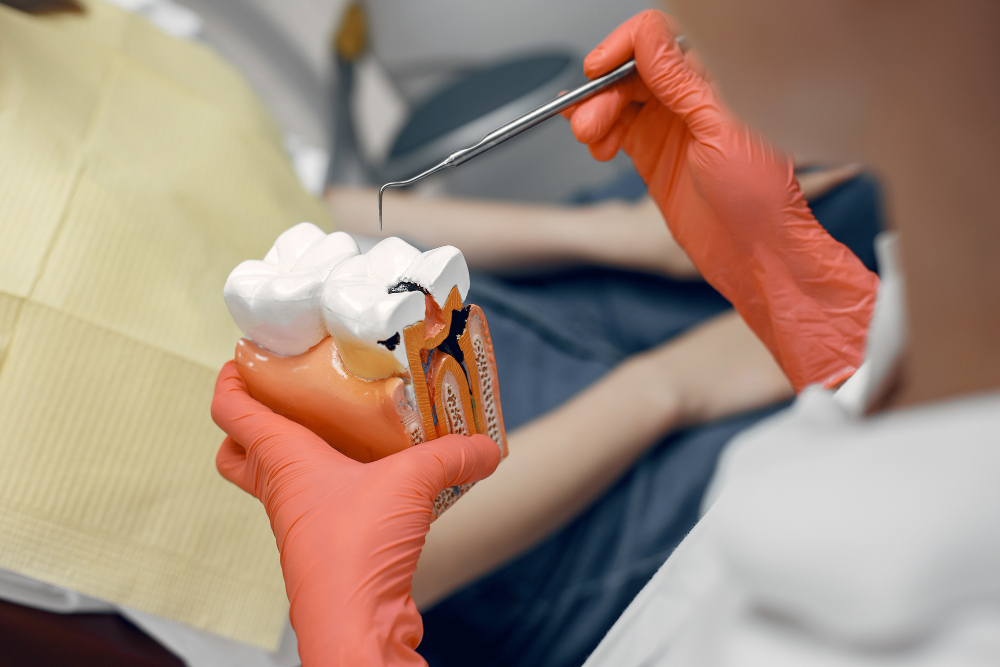
Inside every tooth, beneath the hard white enamel and the layer of dentin, is a soft tissue called the pulp. This pulp contains blood vessels, nerves, and connective tissue that help the tooth grow during its development. Once a tooth is fully formed, it can survive without the pulp because the surrounding tissues continue to nourish it.
A root canal treatment becomes necessary when the pulp becomes inflamed or infected. During the procedure, a dentist removes the damaged pulp, cleans the inside of the tooth thoroughly, and then seals the space. This tooth infection treatment prevents the bacteria from moving into the jawbone or causing a painful abscess. Think of it as a deep cleaning for the internal part of your tooth that allows you to keep your natural smile instead of opting for an extraction.
Common Signs You Need a Root Canal
Recognizing the signs you need a root canal early can save you from a lot of unnecessary pain. While only a professional can give a final diagnosis, these are the most frequent root canal symptoms reported by patients:

Persistent Pain
Deep, persistent pain is a major red flag. You might feel it deep in the bone of your tooth, or it might radiate to your jaw and face. This pain often worsens when you lie down or try to sleep.
Sensitivity to Heat and Cold
Does your tooth ache when you drink hot coffee or eat ice cream? If the pain stays for several seconds after you finish eating or drinking, it suggests that the nerves inside the tooth are damaged or infected.
Swollen and Tender Gums
An infection can cause swelling in the gums near the painful tooth. The area might look red, feel tender to the touch, or even show a small pimple-like bump called a fistula.
Tooth Discoloration
An internal infection can cause the tooth to look grayish or dark. This happens because the blood supply to the pulp has been cut off or the internal tissues are breaking down.
Pain When Touching or Chewing
If your tooth is very sensitive to touch or hurts every time you bite down, the ligaments around the root may be inflamed due to an infection.
A Loose Tooth
An infected tooth may feel loose because the infection can soften the bone that holds the tooth in place. This is a serious sign that requires immediate attention from a dentist.
The Benefits of Painless Root Canal Treatment
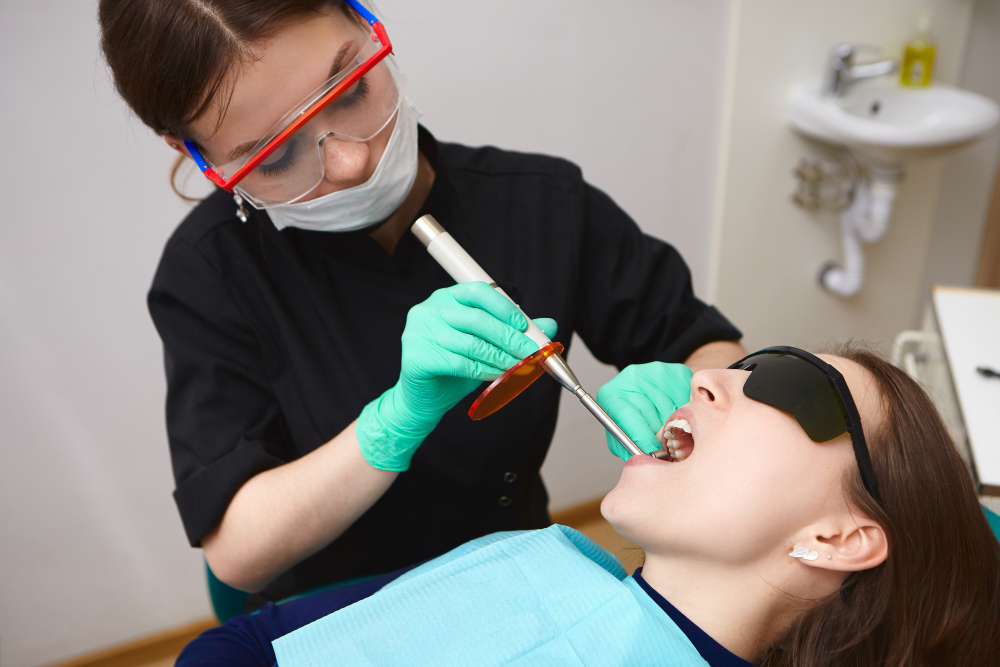
Many people worry about the discomfort of the procedure, but “painless” is now a standard in modern dental offices. Using effective local anesthesia and modern tools, a painless root canal treatment feels very similar to getting a standard cavity filling. The benefits of this treatment are as follow:
Instant Relief
Root canal treatment eliminates infection and removes the source of pain, quickly restoring comfort.
Saving the Natural Tooth
Nothing functions quite as well as your own tooth. A root canal allows you to keep your natural bite and prevents other teeth from shifting out of place.
Efficient Process
With advanced imaging and tools, many treatments can be completed in just one or two visits.
Cost-Effective
While it may seem like an expense, saving a tooth with a root canal is much cheaper than extracting it and replacing it with a bridge or a dental implant later.
The Root Canal Treatment Process
At Queens Medical Center, the journey to a pain-free smile is handled with precision. Most patients find the process much easier than they expected:
X-Rays and Exam
The dentist takes digital images to see the shape of the root canals and check for signs of infection in the surrounding bone.
Anesthesia
The area is numbed completely, so you do not feel anything during the procedure.
Removing the Pulp
A small opening is made in the top of the tooth. The dentist uses fine tools to remove the infected or dead pulp from the internal chambers.
Cleaning and Shaping
The canals are cleaned with antiseptic solutions and shaped to prepare them for the filling material.
Sealing the Tooth
The empty canals are filled with a biocompatible material called gutta-percha.
Restoration
Because the tooth is more fragile after the pulp is removed, a crown is usually placed to protect it and restore its full strength.
Maintaining Your Results After Treatment
Once your tooth is restored with a crown, it should function just like any other tooth. To ensure it lasts a lifetime, you should follow a few basic care steps:

Practice Good Hygiene
Brush twice a day and floss daily to keep the area around the treated tooth clean.
Avoid Hard Foods
Until the final crown is placed, try not to chew on hard candies or ice with the treated tooth.
Regular Check-ups
Visit your dentist every six months for cleanings and exams to monitor the health of the restoration.
Wear a Mouthguard
If you grind your teeth at night, a mouthguard can protect your crowns and natural teeth from excessive pressure.
Protect Your Smile With Queens Medical Center
At Queens Medical Center, the team understands that dental pain can be a stressful experience. Our specialists provide high-quality root canal treatment in Dubai aimed at saving your natural teeth and restoring your comfort. With a focus on patient safety and using the latest techniques, we ensure that every procedure is a painless root canal treatment that meets the highest medical standards.
Whether you are dealing with a dull ache or severe sensitivity, our experienced team is here to help. We believe in providing clear information and personalized care so you can feel confident in your dental health. Do not let a tooth infection impact your quality of life. Book a consultation today and let the best root canal dentist in Dubai at Queens Medical Center restore your smile and your peace of mind.
FAQs
Is a root canal painful?
No, modern techniques and anesthesia ensure that the procedure is a painless root canal treatment. Most patients feel no more discomfort than they would during a routine filling.
How long does the procedure take?
A typical treatment takes between 60 and 90 minutes. Depending on the complexity of the infection, it may require one or two visits to complete.
Can an infected tooth heal on its own?
Unfortunately, once the pulp inside the tooth is infected, it cannot heal itself. Without tooth infection treatment, the infection will continue to spread to the jaw and surrounding tissues.
Can I go back to work after a root canal?
Yes, most people return to their normal activities immediately. Your mouth will stay numb for a few hours, so it is best to avoid eating until the anesthesia wears off.
How long will the treated tooth last?
With proper care and a good crown, a tooth treated with a root canal can last for a lifetime. Regular brushing and dental check-ups are key to maintaining the results.