

6 Mistakes to Avoid Before and After Laser Hair Removal Treatment
Laser hair removal has become a go-to choice in Dubai for anyone tired of the constant cycle of waxing, shaving, or threading. A lot of people are ditching waxing, shaving, and threading for laser hair removal in Dubai, and it makes sense.
But here’s something most people don’t expect: the clinic and machine are only part of the equation. How you prepare before your sessions and look after your skin afterward plays just as big a role in how well it works. Skip a few steps, and you might end up with irritation, uneven results, or slower progress than you bargained for.
So let’s go through the most common mistakes people make, and what to do instead.

1. Treating It Like a Regular Beauty Appointment
One of the biggest misunderstandings around laser hair removal care is assuming you don’t need any preparation. In reality, your skin needs to be in a very specific condition for the laser to work properly.
What often goes wrong:
- Waxing or threading right before treatment (which removes the root that the laser needs)
- Using deodorants, heavy creams, or oils on the area
- Sun exposure or tanning, which makes the skin more sensitive
- Not shaving properly 24 hours before the session
Clinics offering the best laser hair removal clinic in Dubai usually emphasize one simple rule: the laser needs a clean, calm surface with hair still in the follicle but not above the skin. At Queens Medical Center, pre-treatment guidance is always tailored because skin type and hair texture directly affect results.
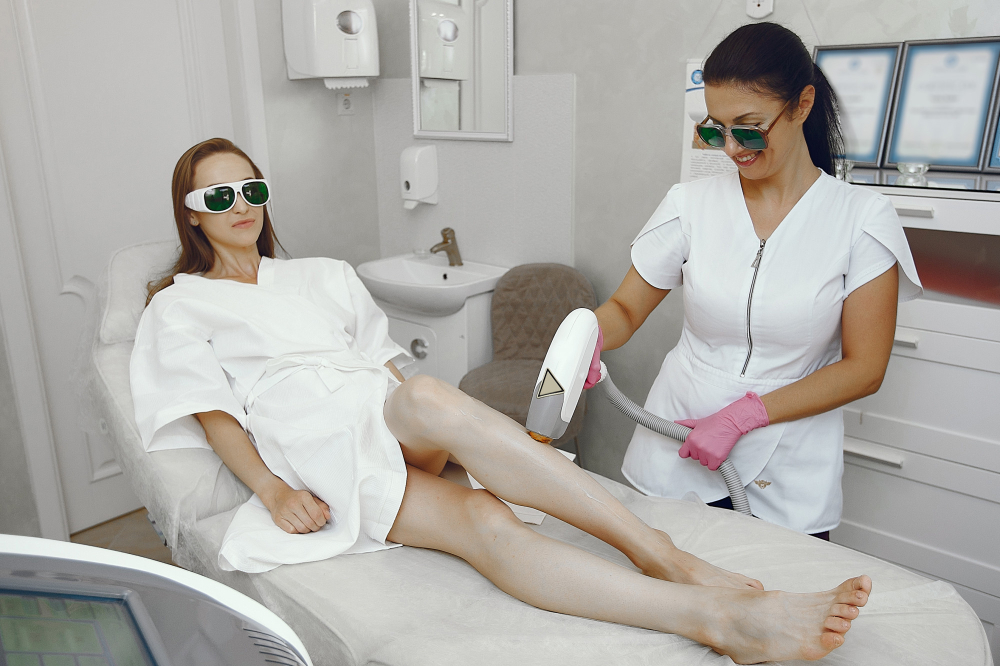
2. Choosing Based on Price Instead of Expertise
A mistake many people realize too late is picking a clinic only because it’s cheap. But laser treatment for hair removal is highly technique-dependent. The same machine can give very different results depending on who operates it.
A reliable best laser hair removal clinic in Dubai focuses on:
- Your skin type, before anything else, including skin tone, hair type, and sensitivity, as all of these factors affect how the laser needs to be set up.
- They adjust the intensity depending on the treatment area, because what works on your legs won’t be right for your face or bikini line.
- Medically tested devices and a dermatologist overseeing your treatment aren’t optional extras; they’re what keep the process safe.
In clinics, no two treatment plans look the same; everything is tailored to the individual for more comfort and better results over time. They tailor everything to the individual, which means more comfort during sessions and better results over time.
3. Ignoring How Skin Reacts Right After Treatment
Right after your session, your skin is in a different state, even if it looks fine on the surface. Skipping aftercare is where most people go wrong.
- Hopping into a hot shower or steam bath too soon aggravates sensitive skin.
- Reaching for acids or retinol before your skin has settled down is an easy way to trigger irritation you didn’t need.
- Tight synthetic clothing rubs against treated skin at a time when it really just needs room to recover.
- Exfoliating too early gets in the way of healing and can throw off your results further down the line.
For the first 24-48 hours, keep things simple: cool the skin down, moisturize, and stay away from anything that generates heat or friction.
4. Expecting Hair to Disappear Uniformly After One Session
One of the most common misconceptions is expecting instant smooth skin after a single appointment. The reality of laser hair removal before and after progress is more gradual because hair grows in cycles, and the laser only targets active follicles at a given time.
What actually happens:
- Some hairs shed within 7-14 days after treatment
- Some areas respond faster than others ( for example, face vs legs)
- Hormonal areas may require extra sessions
So instead of immediate results, you notice progressive thinning and slower regrowth after each visit. That’s why consistency matters more than intensity.
5. Overloading Your Skin After Treatment
Another overlooked mistake happens during the post-laser hair removal phase, when people return too quickly to their normal skincare or fitness routine. Your skin is more reactive than it looks.
Avoid:
- Heavy workouts that cause excessive sweating for 24-48 hours
- Direct sun exposure without SPF protection
- Harsh scrubs, waxing, or bleaching between sessions
Instead, focus on calming the skin. Gentle moisturizers, cool compresses, and sunscreen become your best friends during the after-laser hair removal recovery. This helps prevent pigmentation and keeps results more even over time.
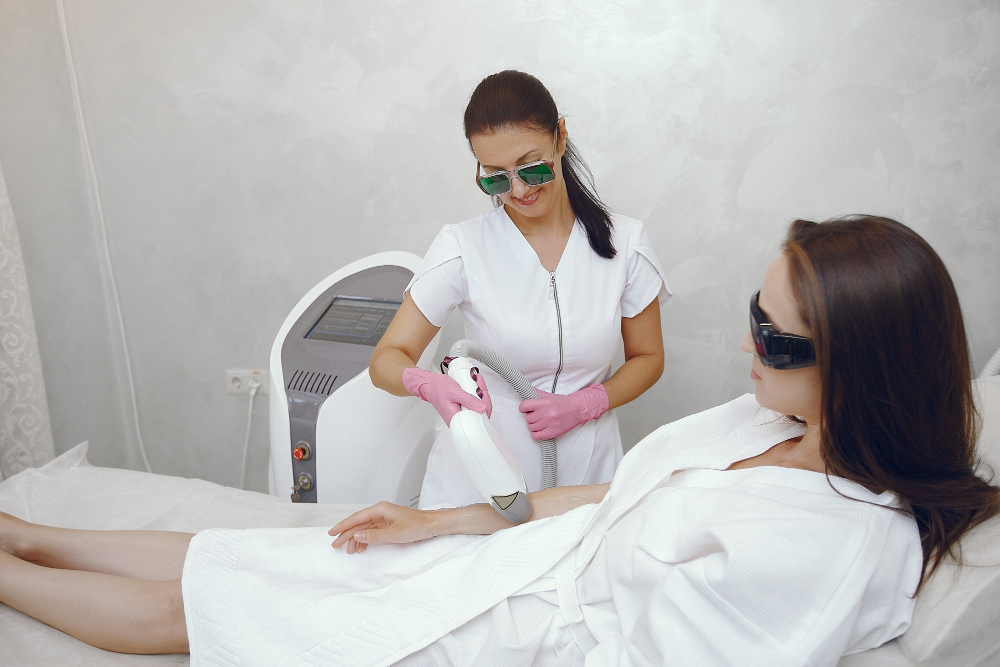
6. Inconsistent Treatment Scheduling
Laser works best when sessions follow a proper timing cycle. Missing appointments or delaying them can significantly reduce effectiveness. This is one of the most underestimated mistakes in laser treatment for hair removal.
Hair regrowth patterns reset if gaps between sessions are too long, which means you may need extra sessions to achieve the same result. A structured plan from a professional clinic ensures treatments align with your natural hair growth cycle, improving both speed and final outcome.
Why Clinic Choice Makes a Big Difference
Where you go plays a bigger role than most people expect. A good clinic, one that actually looks at your skin type, uses the right equipment, and walks you through what to do between sessions, changes the experience entirely.
- Dermatologist-led: Every assessment makes sure your skin is properly evaluated before anything begins.
- Tailored: Each laser protocol is built around your skin, not a one-size-fits-all approach.
- Structured: Pre and post-care guidance comes as part of every visit, so you’re never left guessing what to do next.
- Comprehensive: Services go beyond hair removal, covering skin rejuvenation, pigmentation, acne care, and aesthetic dermatology, all personalised to what each patient actually needs.
Queens Medical Center: Advanced Laser & Skin Care Solutions
If you’re planning to start or continue your journey with laser treatment for hair removal, Queens Medical Center offers medically guided, customized solutions designed for safe and effective results. Our team takes the time to understand your skin type, hair growth pattern, and comfort level before planning anything, so each session actually makes sense for you, not just a general protocol.
Ready to get started? Book a consultation with Queens Medical Center and see firsthand what a more personal approach to laser hair removal looks like.
FAQs
What should I do before laser hair removal for best results?
Shave the area 24 hours before your session and keep skin clean and product-free so the laser can effectively target hair follicles.
Why is aftercare important after laser sessions?
Skin turns sensitive post-treatment, cooling, moisturizing, and sun protection help prevent irritation and keep your results on track.
How soon will I see visible results?
Some hair sheds within two weeks, but a noticeable reduction builds gradually over multiple sessions spaced around your natural hair growth cycle.
Can I go back to normal activities after treatment?
You can resume most activities right away, but skip workouts, saunas, and direct sun exposure for at least 24-48 hours to protect sensitive skin.
Is laser hair removal suitable for all skin types?
Yes, modern lasers can be adjusted to work safely for most skin types when set up and supervised by a trained professional.
What should I avoid before a laser hair removal appointment?
Before laser hair removal, avoid waxing, threading, plucking, tanning, excessive sun exposure, and applying heavy skincare products to the treatment area. Shaving is usually recommended 24 hours before treatment so the laser can effectively target the hair follicle.
What are the most common mistakes people make after laser hair removal?
Common mistakes include taking hot showers, using saunas, exercising heavily, exposing treated skin to direct sunlight, exfoliating too soon, and using harsh skincare products. These activities can increase skin irritation and affect recovery.
Why am I still seeing hair growth after my first laser hair removal session?
Laser hair removal works according to the hair growth cycle. Only actively growing hairs respond to treatment during each session. It is normal to see some hair shedding within 1–2 weeks, while significant hair reduction typically occurs gradually over multiple sessions.
Is laser hair removal safe for sensitive skin and darker skin tones?
Modern laser technology can be adjusted to safely treat most skin types and tones when performed by trained professionals. A consultation helps determine the appropriate laser settings based on skin type, hair texture, and treatment goals.
How can I make laser hair removal results last longer?
Following the recommended treatment schedule, protecting your skin from sun exposure, avoiding waxing between sessions, and following post-treatment care instructions can help maximize results and achieve long-term hair reduction.
Can laser hair removal cause skin damage if aftercare instructions are ignored?
Improper aftercare may increase the risk of temporary redness, irritation, sensitivity, pigmentation changes, or uneven results. Following your provider’s post-treatment instructions helps support safe healing and optimal outcomes.